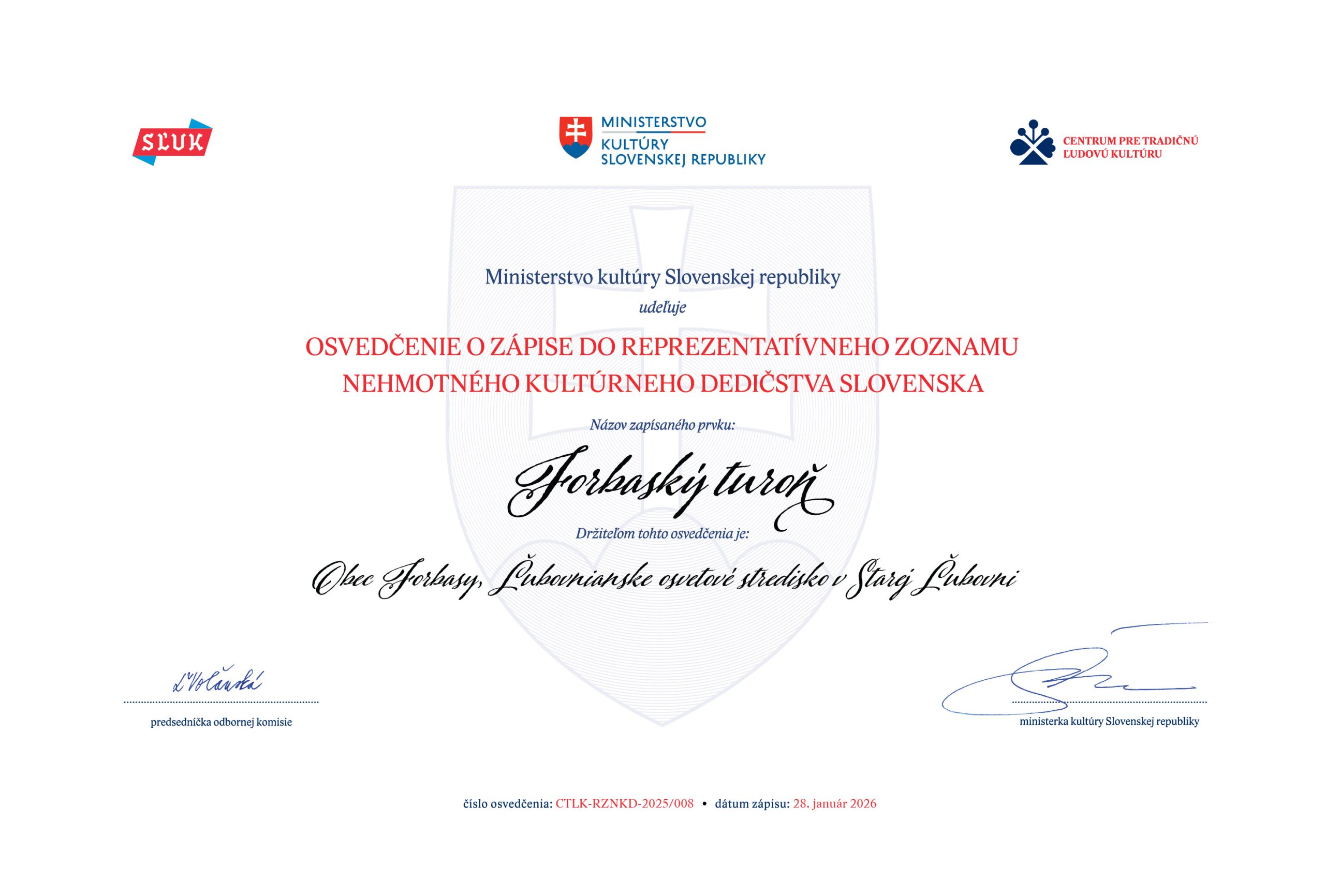
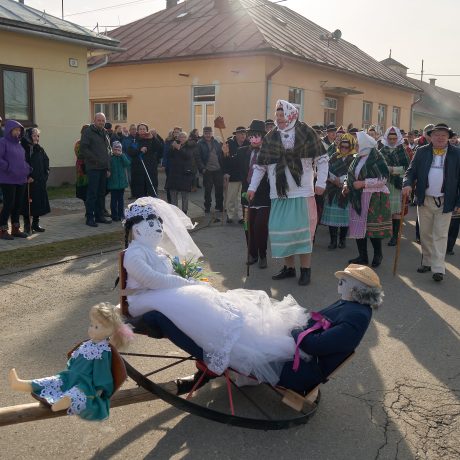
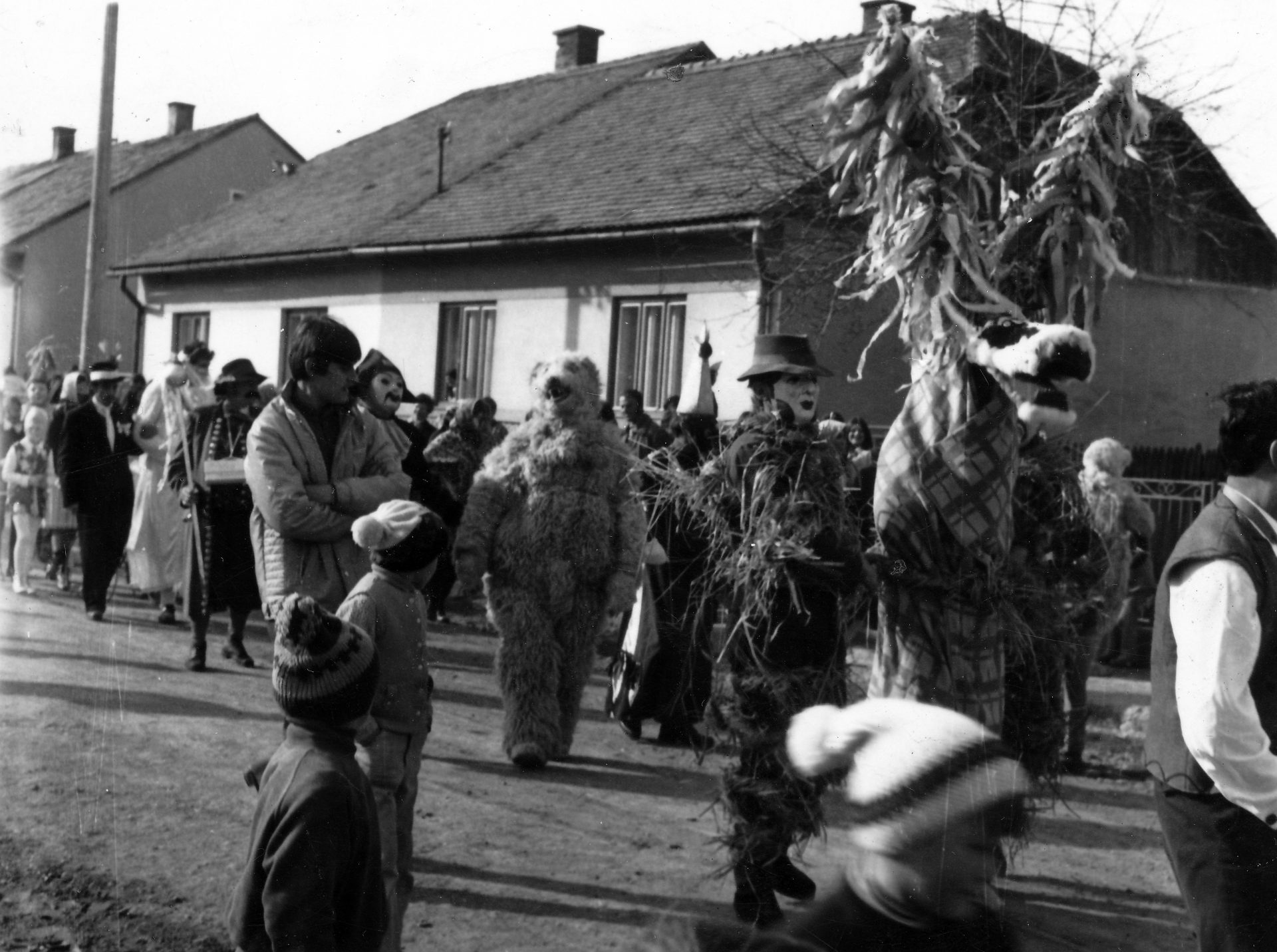
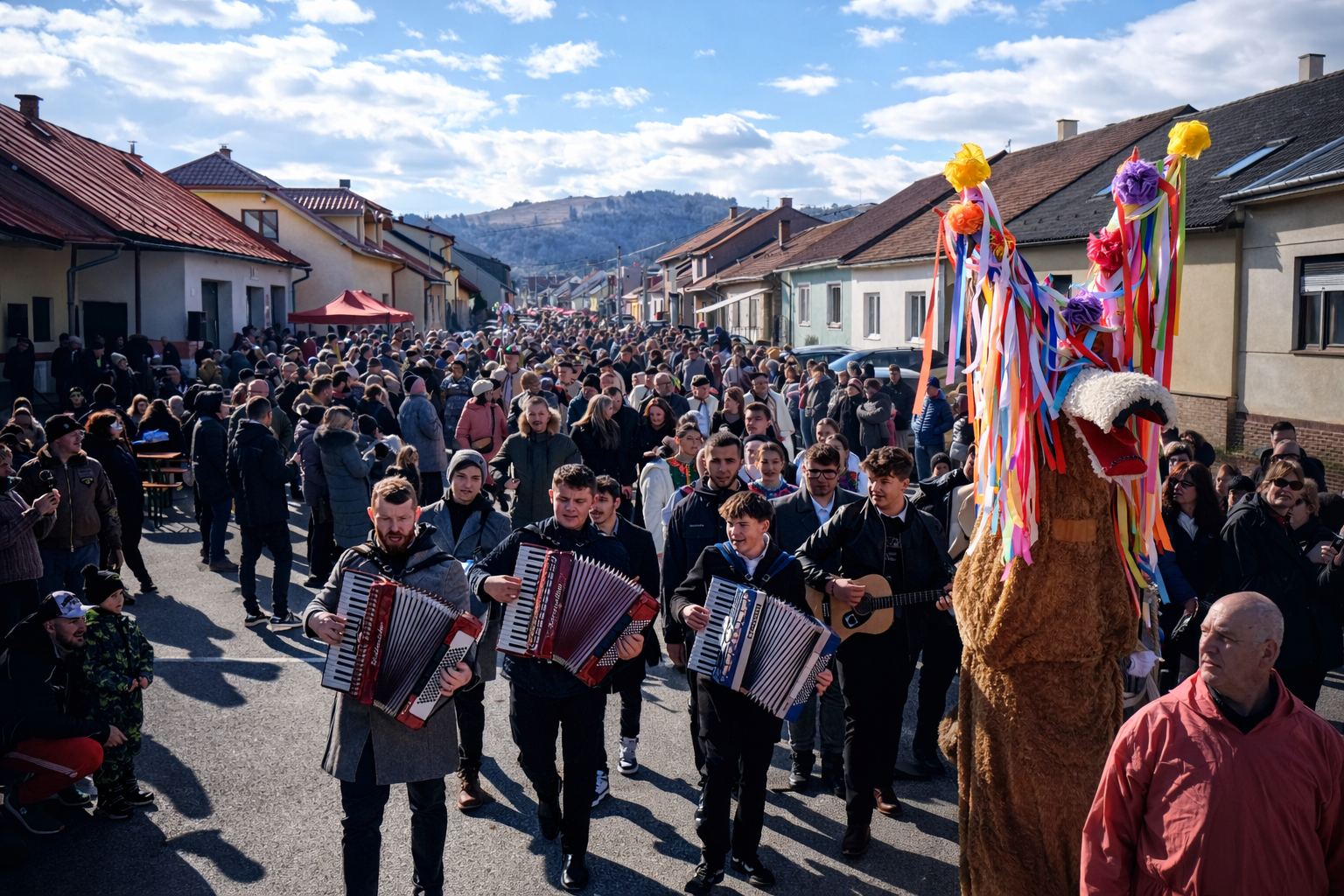
The Turoň represents a historically deeply rooted masked figure known from the winter customary cycle of several municipalities in Slovakia, primarily associated with the Carnival period. The figure of the Turoň has survived the longest in northern Slovakia, mainly thanks to scenic folklorism. An example of its persistence within a community setting is the village of Forbasy in the Stará Ľubovňa district, in the northern Spiš region. The oldest inhabitants of the village still remember the lived Carnival customs associated primarily with the Turoň mask, from which the people of Forbasy also acquired the nickname “Turone.”
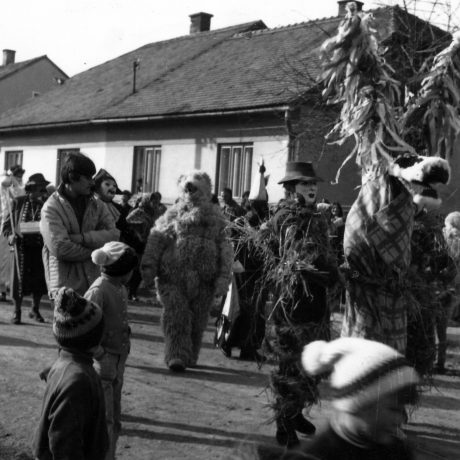
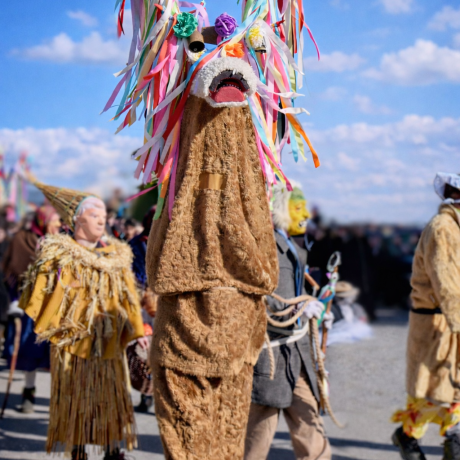
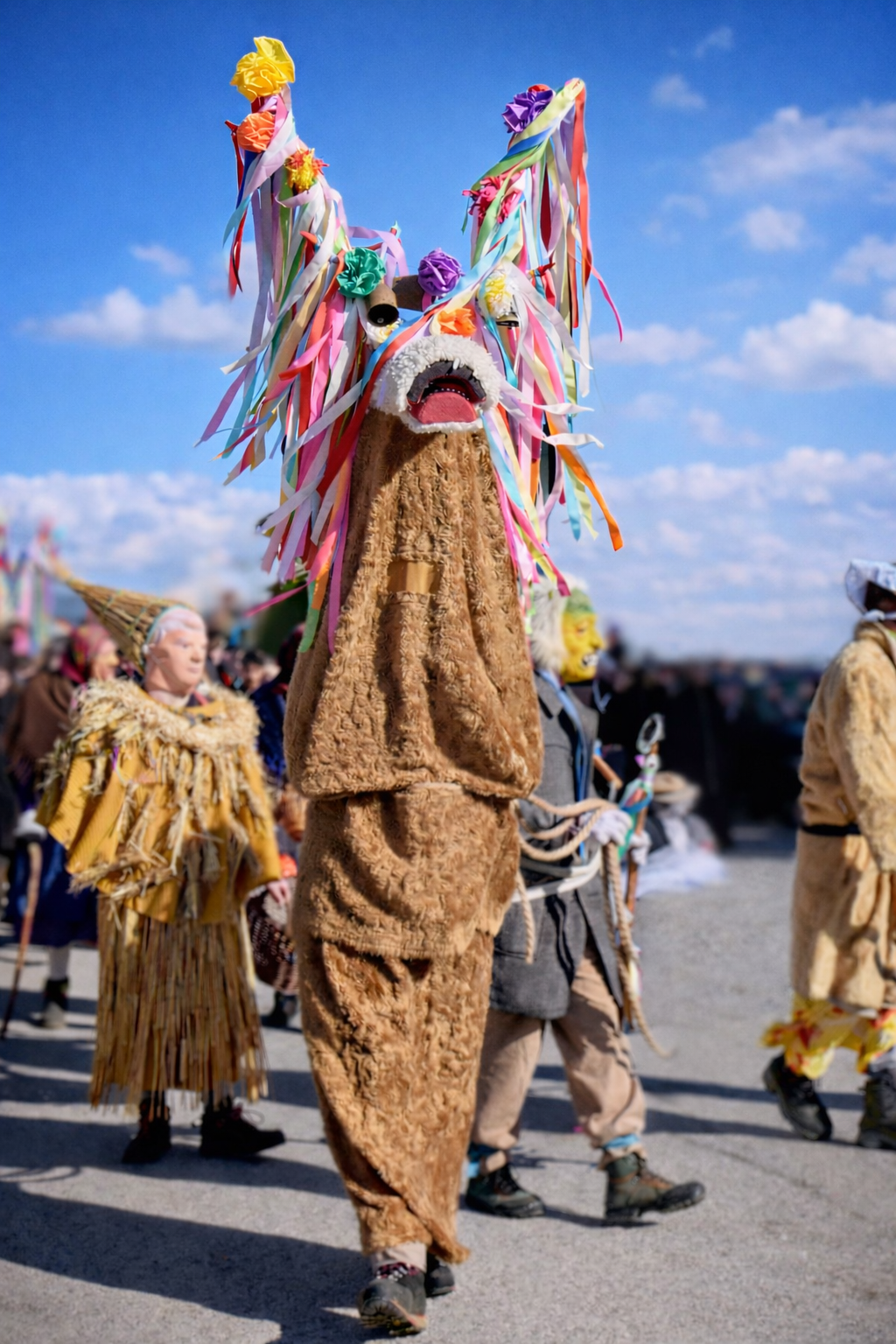
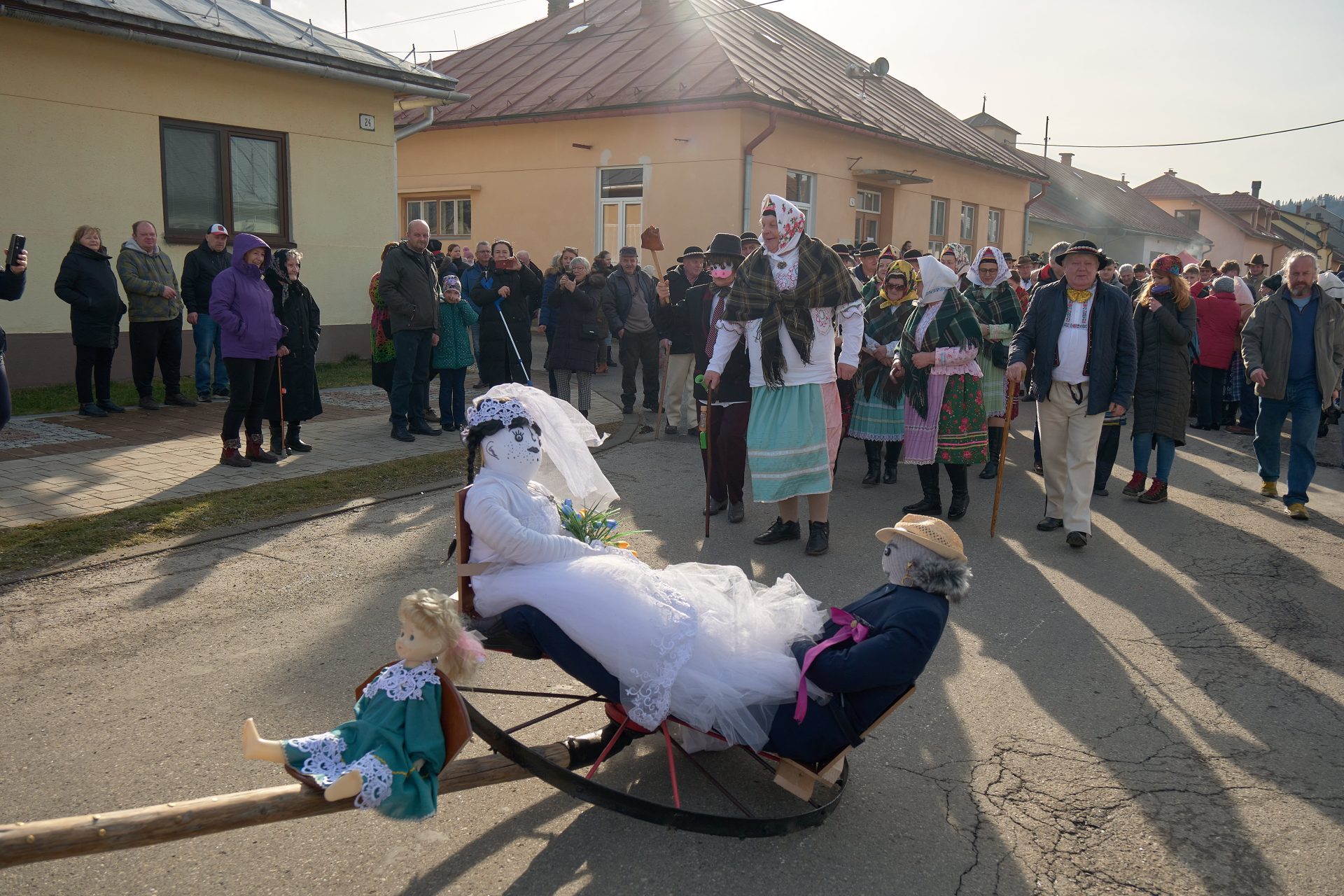
The central fantastical figure of the Turoň, with its horned head, movable jaw, and fur coat, is a zoomorphic mask depicting an extinct species of cattle that symbolises strength, fertility, and prosperity. It is accompanied by other traditional masks such as a bear, gypsy, gendarme, bride, blacksmith, horse, and other figures from the rural environment.
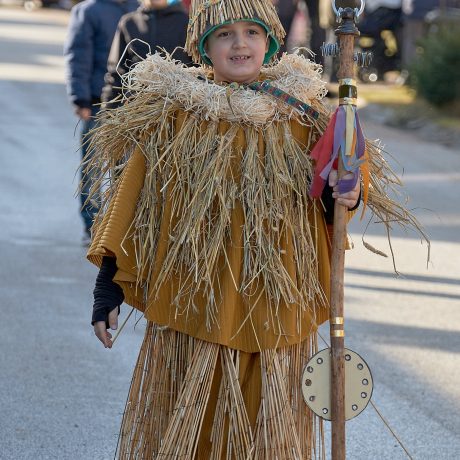
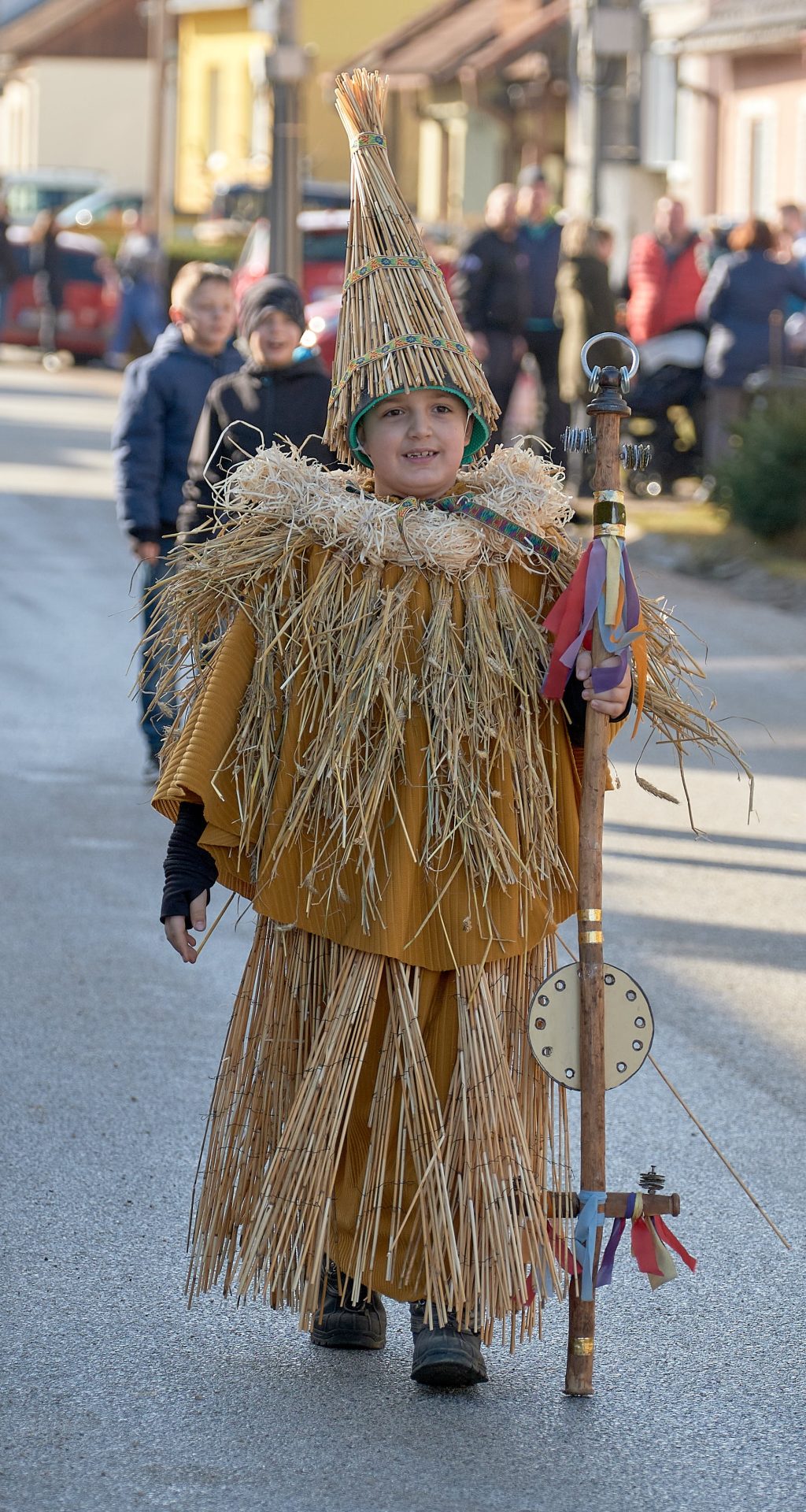
Entire families, often spanning several generations, are involved in the creation and decoration of the masks, which takes place a few weeks before Carnival. Grandparents pass on craft skills to younger generations, including the production of masks from traditional materials such as wood, leather, straw, and textiles, as well as customs related to costume selection and knowledge of the characteristics of individual characters.
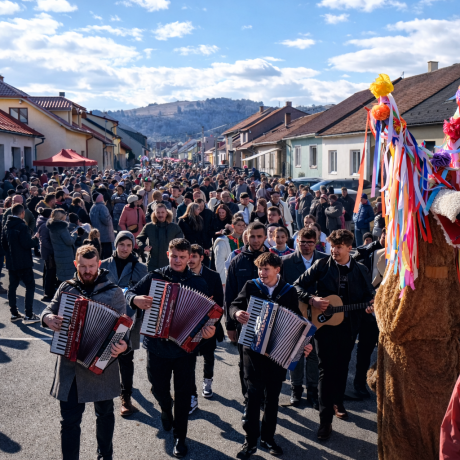
The Turoň mask, which is particularly significant for the municipality, gave its name to the entire customary event, a Carnival parade of masked figures through the village, bringing good wishes, singing, dancing, and live music. This is connected with visits to individual households, where residents prepare hospitality in the form of traditional dishes and honour the participants with gifts in kind, especially eggs, bacon, and sausages. These ingredients are later used, exclusively by men, to prepare scrambled eggs in a large pan directly in a public space. A smaller portion of the scrambled eggs is served to both participants in the parade and visitors attending the evening cultural programme and dance. By eating together, they symbolically celebrate community cohesion and the abundance associated with the end of the Carnival period.
In recent years, the parade and its accompanying activities have also included a public slaughter organized by the voluntary fire brigade, through which both residents and visitors commemorate traditions of collective work and feasting. The entire event is held under the auspices of the Municipality of Forbasy, in cooperation with local residents and the Ľubovňa Education Centre in Stará Ľubovňa.
Proposal by
Year of Inscription
Certificate number

Forbasy village, Ľubovňa educational center in Stará Ľubovňa
2026
CTLK-RZNKD-2025/008